


undefined
Powering the Green Revolution: Transformers for Renewable Energy Applications
Release time:
2026-01-23
The global shift toward renewable energy is transforming how we generate, transmit, and consume electricity. At the heart of this transition are transformers—critical components that ensure efficient voltage conversion, grid stability, and system safety. From solar farms to wind turbines, energy storage systems to electric vehicle (EV) charging stations, transformers are adapting to meet the unique demands of clean energy infrastructure.
1. Solar Power Plants: Step-Up Transformers for PV Arrays
In large-scale photovoltaic (PV) plants, low-voltage DC power generated by solar panels is converted to AC via inverters. Step-up transformers then elevate the voltage to medium or high levels (e.g., 33 kV or 110 kV) for grid transmission. These transformers must withstand dynamic load cycles due to varying sunlight intensity and require enhanced cooling systems to handle peak output during daylight hours.
Key Features:
High efficiency at partial loads (e.g., 98.5%+).
Resistance to harmonics generated by inverters.
Outdoor design with corrosion-resistant coatings for arid or coastal environments.

2. Wind Energy: Onshore & Offshore Transformers
Wind turbines employ pad-mounted or substation transformers to boost generator output (typically 690 V–3 kV) to grid voltage. Offshore wind farms face harsher conditions, requiring compact, salt-mist-resistant transformers integrated into turbine nacelles or platforms.
Key Features:
Lightweight designs for nacelle installation.
Dry-type or sealed liquid-filled options to prevent environmental contamination.
Compliance with grid codes for low-voltage ride-through (LVRT) and reactive power support.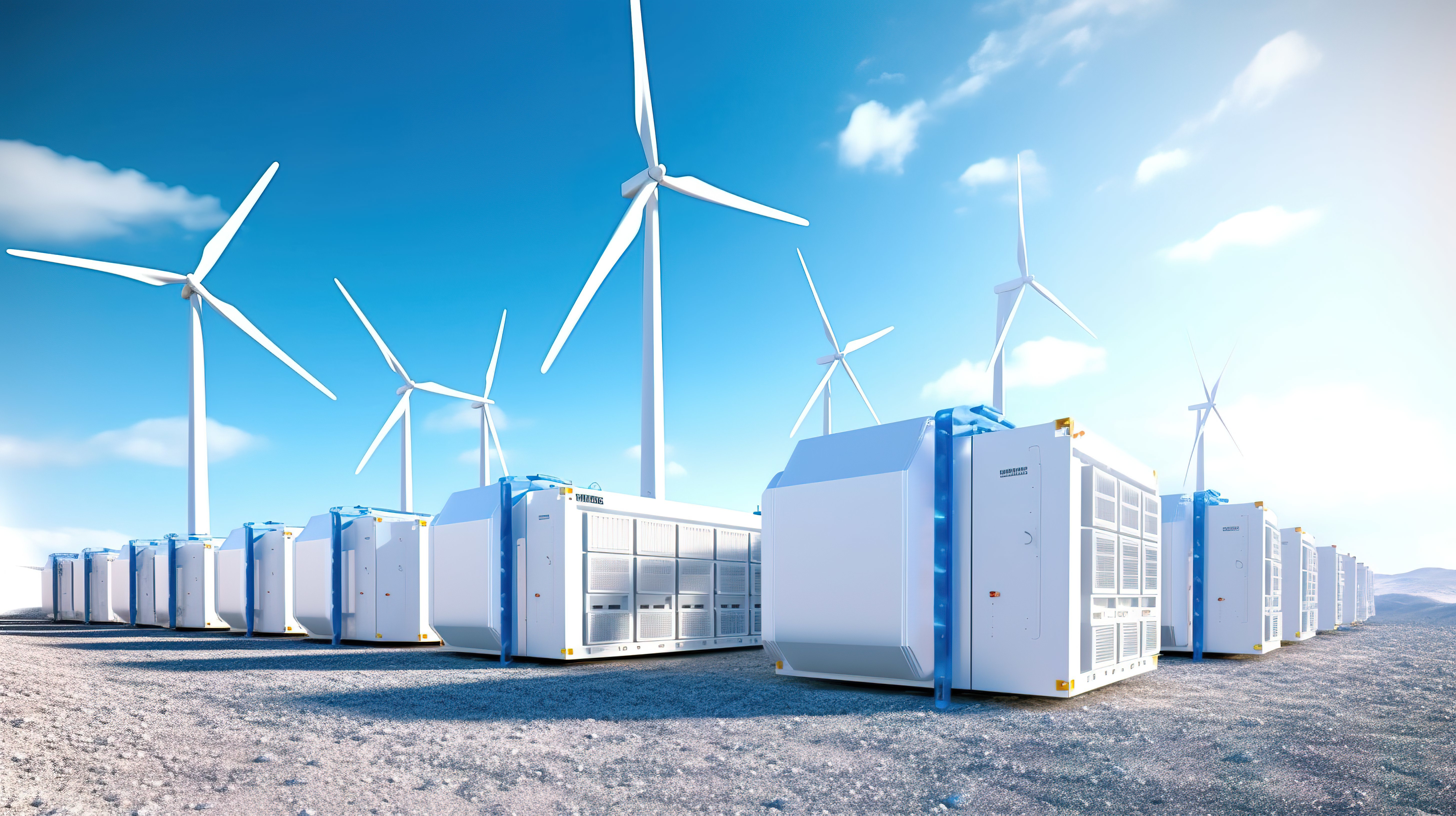
3. Energy Storage Systems (ESS): Bidirectional Transformers
Battery-based ESS require bidirectional transformers that manage charging (AC to DC) and discharging (DC to AC) cycles. These units enable frequency regulation, peak shaving, and backup power for microgrids.
Key Features:
Fast response to load fluctuations (millisecond-level).
Tolerance to high harmonic distortion from power converters.
Modular designs for containerized ESS solutions.
4. EV Charging Infrastructure: Distribution Transformers
High-power EV charging stations (e.g., 150–350 kW) draw significant energy from medium-voltage grids. Distribution transformers step down voltage to supply multiple chargers while managing unbalanced loads and harmonics.
Key Features:
Low noise levels for urban installations.
Overload capacity to handle simultaneous charging peaks.
Smart monitoring via IoT sensors for predictive maintenance.
Leilang Electric: Your OEM/ODM Partner for Renewable Energy Transformers
As a leading transformer OEM/ODM factory in China, Leilang Electric specializes in designing and manufacturing customized transformers for solar, wind, ESS, and EV applications. With ISO-certified production, advanced testing facilities, and 15+ years of industry experience, Leilang delivers:
Tailored Solutions: Engineering support for site-specific challenges.
Global Compliance: Meets IEC, IEEE, ANSI, and CE standards.
Scalable Production: Capacity for utility-scale and distributed projects.
Visit Leilang Electric’s website to explore case studies and request a quote for your renewable energy projects.
Future Trends: Digitalization & Sustainability
Next-generation transformers are evolving with embedded sensors, IoT connectivity, and eco-friendly biodegradable fluids. These innovations enhance real-time monitoring, reduce lifecycle costs, and minimize environmental impact—aligning with the net-zero goals of the renewable sector.
Transformers are indispensable enablers of the renewable energy ecosystem, adapting to diverse operational demands across solar, wind, storage, and EV charging infrastructures. Partnering with an experienced manufacturer like Leilang Electric ensures reliable, high-performance solutions tailored to the clean energy transition.
Explore Leilang Electric’s OEM/ODM transformer services for your next renewable energy project.
Related news
undefined


FOLLOW US

 Esperanto
 Shqiptare
 Euskara
 Zulu
Zulu
 Latinus
 Cymraeg
 தமிழ்
தமிழ்
 Slovak
 Slovak
 Afrikaans